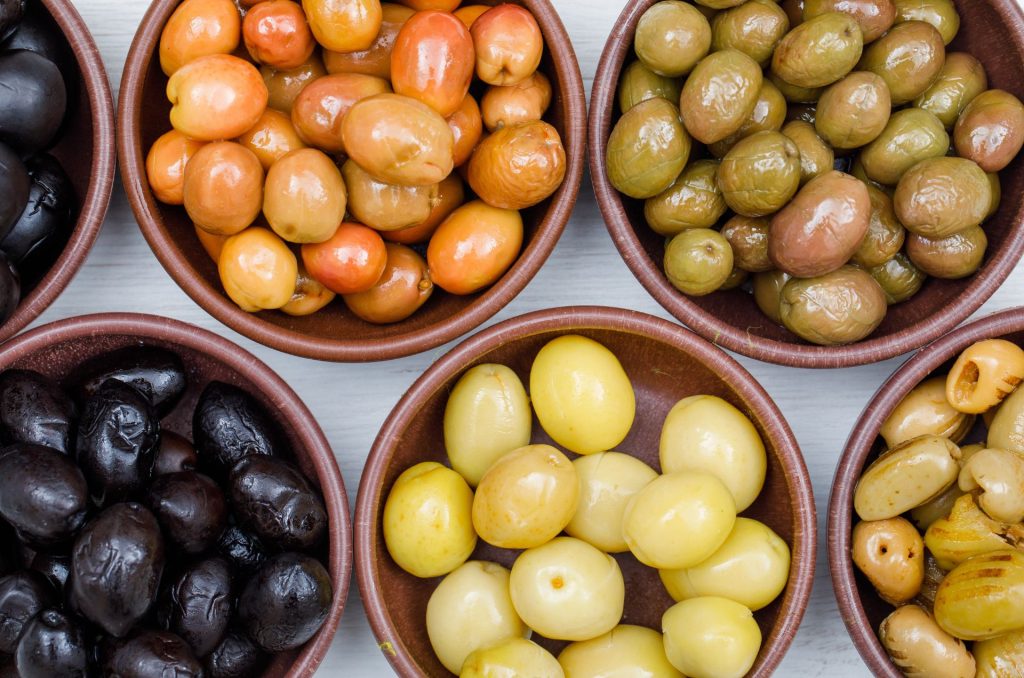

If we talk to you about Kalinjot, Valanolia or Bosana, do you know what we mean? Probably not. But if we say Hojiblanca, Arbequina or Picual, it will sound more familiar to you, right? In fact, they are all olives. Remember that there are more than a thousand varieties of olives in the world, both of international origin and of Iberian stamp. Do you know Spanish olive varieties? Come for a walk and we’ll show you.
How many types of olives are there in Spain?
According to the Ministry of Agriculture, Fisheries and Food, our country not only leads the world in olive oil production. It also boasts an overwhelming diversity of varieties. In fact, there are probably There are more than 200 varieties of olives in Spainmany of which are tied to specific regions and centuries-old traditions. This is no coincidence: the Mediterranean climate and ancient olive grove culture have a lot to do with it.
Generally speaking, different types Can be classified according to agronomic standards: Fruit size and shape, fat yield, resistance to climate, ripening time… And according to its use, it is divided into two main categories: table olivesthose you eat as an aperitif, y Olives are oil, For the production of olive juice – although there are varieties with dual capabilities -.
What are the best olive varieties in Spain?
This differentiation is no small issue. Each olive has its own characteristics, geographical comfort zone and special way of being transformed into so-called liquid gold. The result? An unparalleled palette of flavors. These are the company’s logos 20 Most Common Olive Varieties In Spain:
1. Picual
So far it is typical of Jaén, Córdoba and Granada, queen of the olive groves of spainbecause it concentrates about 50% of Spain’s total oil production. It is medium in size, oval in shape and very distinctive, which is how it gets its name. When fully mature, its color ranges from dark green to black.
After grinding it will produce thick oilwith the scent of fig trees and fresh grass, and Distinct bitterness and spiciness. Due to its high polyphenol content, it has very high oxidative stability, which makes it one of the most durable oils on the market because High temperature resistance Be different. That is why it is recommended for frying, stews, marinades and any preparation that requires an oil with properties.
2. Albegina
Originally from Albeca Lerida (hence the name), today it is grown almost throughout the country and is even exported to Argentina, Chile and the United States, and is one of Spain’s olive varieties higher fat production. Its drupes are small, round, and shiny black when ripe.
generate a Soft, sweet, fruity oilwith flavors of apple, almond and banana, little bitterness and almost no spiciness. Therefore, it is a classic for those new to the world of EVOO and a good choice to accompany salads, sauces, carpaccio and ceviches, pastries and any dish. Pursue delicious dishes.
3. Hojiblanca
The name refers to the white color on the undersides of its leaves, a color commonly found in fields. Central Andalusiaespecially Malaga, Córdoba and Seville. In this case we are faced with a large olive with double capacity (oil and table), mature slowly Its fat yield is lower than Picual or Arbequina. When harvested it will give A balanced and versatile oil, The finish is slightly spicy, with notes of vanilla, fresh almonds and artichokes. That’s why it can be eaten raw, lightly cooked, and as a flavoring for roasted vegetables or beans.
4. Cape Nicabra
from Castile-La Mancha and Extremaduraspecifically from the Toledo Mountains, its name reflects the fact that the fruit is elongated and curved, with trumpet shape. In addition, it is one of the Spanish olive varieties with the highest oleic acid and polyphenol content. In the oil mill it is converted into POWERFUL FRAGRANCE OIL With flavors of green tomatoes, nuts, leaves and ivy, with a medium bitterness and a more pronounced spiciness, it is ideal for specialty dishes such as roasted meats, game stews, tomato bread or as a base for complex mixtures.
5. Seville Chamomile
As its name suggests, its birthplace is Seville, but it is also cultivated in Huelva and Extremadura and spread to all corners of the earth. Did you know? The world’s most exported Spanish oliveseither on the table or in oil? Its fruit is round, fleshy, yellow-green, containing Fruity balanced oilIt has the aroma of green apple, tomato and ripe banana, with moderate bitterness and spiciness. In cooking, it works well raw or as a base for vinaigrette or in gazpachos and seasonal salads.
6. Grafting
If you are looking for an olive variety in Spain that can be used in pastries, mild sauces or grilled fish, this olive Aragon and the Balearic Islands If it is an elongated shape, it is a good choice. of late maturingthis long-lived olive tree produced sweet oilgolden in color, with aromas of green apple, dried fruit and a very balanced bitterness and spiciness.
7. Lechín from Seville
Small and spherical, it comes from Southeast Andalusia Its name comes from the white or “creamy” color of the fruit at some stage of ripeness. Although its fat content is moderate, due to its early lipogenesis, it can be converted into A delicate and fruity oil, With herbal nuances and a medium bitter and spicy taste, it’s perfect in salads, appetizers and light dishes where you don’t want the oil to do too much.
8. Vidyal
Originally from Malaga and Badajozits name comes from the large and round fruit, Remains green even when fully ripe. Strangely, his Sweet and oilyThere’s barely any bitterness or spiciness, and it’s reminiscent of apples and herbs. It’s one of Spain’s friendliest olive varieties and is recommended raw for everything from toast to dressings to dipping on country bread.
9. Weevil
Also known as the “Carrasqueño de Córdoba” or “Rajal” due to its characteristic tip, this large, oval olive is an old familiar from the fields of Córdoba. cordoba subetica and Spanish cuisine. his sweet oilVery aromatic with hints of almond and apple, mild bitterness and spiciness. Use it in salmorejos, orange salads and pastries.
10. Royal Cazorla
cultivated in Cazorla MountainsLocated in Jaén, it is one of the most unique olive varieties in Spain and one of the most promising. High-end single variety. The olive tree produces small, dark-black fruit with a low oil yield, which partly explains its high price. Another part is due to its qualities in the mouth: Soft sweet oil, very elegant and complexwith aromas of fig tree, fresh grass and a slight bitter taste. Gourmet selection of exquisite fish dishes, signature recipes or sushi.
11. Blank
It is the cradle of the Valencian community and produces Fragrance and light oilswith floral and herbal aroma, with a slight bitter and spicy taste. Therefore, it is ideal for marinating white fish and roasting vegetables.
12. Falga
Not far from there, in the Eastern Mediterranean (Castellion and Tarragona) Spain’s oldest olive varietythere are ancient trees. his Sleek and elegant It has an aroma of walnuts and almonds, which is why it stands out in salads and vegetable dishes.
13. Seville surcharge
Due to its low fat content, this olive is native to Seville and is processed to become known as a table olive rather than an oil producer. Strong and very sensual taste. Rare olive fantasy.
14. Changluo Royal Hotel
In Alicante they produce through this variety Oils of character and complexitywith a pronounced spicy and bitter taste, suitable only for the palate to enjoy the richest nuances of Mediterranean olive groves.
15. Albosana
Native to Catalonia, it can be considered Cousin of Arbequina, but with more aromatic complexity. Furthermore, due to its high performance, it is highly appreciated in the implementation of super-intensive olive groves.
16.Dead
Morrut is native to Catalonia and Valencia and produces Rich and fruity oilwith good stability and Mediterranean characteristics. So it’s very interesting as an ingredient in blends with softer varieties.
17.Lucio
Pomegranate molasses is another olive variety produced in Spain since birth Soft, fruity and balanced oilwith a slightly bitter taste. Are you in need of an extra virgin olive oil that’s easy for the whole family to drink? This is a great choice.
18. Aloregna
Very close, in the Alora region of Malaga, this olive is grown with Oil with a distinctly fresh herbal aroma And a really nice sweet spot. It is also known as a table olive with the Protected Designation of Origin.
19. Matteo
It is a sub-variety of Picual, also produced in Jaén. He shares her passion and personality, but Longer lasting finish and earthier flavor. It is very popular in the Martos area, so if you are passing there you already know what “souvenirs” to buy.
20. Carrasquina
It grows among Extremadura holm oaks and produces A balanced fragrance oil with its own personality. A jewel of the olive groves of Extremadura, gaining increasing recognition on the domestic market.
Why is it important to know olive varieties?
The demo is complete, but what’s the use of this information? Differentiating olive varieties in Spain is not a matter of gastronomic snobbery, but a better way to cook. While the type of olive does not alone determine the quality of the oil, it does It has a decisive influence on other equally important parameters: yield, stability, fatty acid profile and especially flavor and aroma.
Imagine oiling tomatoes with strong picual oil. Now try one from Albequina. It’s the same tomato, but it looks different, right? One accentuates the vegetable flavor; the other softens it. in short, Learn about Spanish olive varieties Let you make a wise choice The best oil for the occasion.
Do you want to start exploring the world of single oils and premium blends? For decades, at La Española we have been selecting and producing oils that bring out the best of Spain’s olive varieties.. From our table classics to our finest references, each bottle is a journey through the country’s olive groves. Visit our online store and find the oil that’s right for you.
PakarPBN
A Private Blog Network (PBN) is a collection of websites that are controlled by a single individual or organization and used primarily to build backlinks to a “money site” in order to influence its ranking in search engines such as Google. The core idea behind a PBN is based on the importance of backlinks in Google’s ranking algorithm. Since Google views backlinks as signals of authority and trust, some website owners attempt to artificially create these signals through a controlled network of sites.
In a typical PBN setup, the owner acquires expired or aged domains that already have existing authority, backlinks, and history. These domains are rebuilt with new content and hosted separately, often using different IP addresses, hosting providers, themes, and ownership details to make them appear unrelated. Within the content published on these sites, links are strategically placed that point to the main website the owner wants to rank higher. By doing this, the owner attempts to pass link equity (also known as “link juice”) from the PBN sites to the target website.
The purpose of a PBN is to give the impression that the target website is naturally earning links from multiple independent sources. If done effectively, this can temporarily improve keyword rankings, increase organic visibility, and drive more traffic from search results.