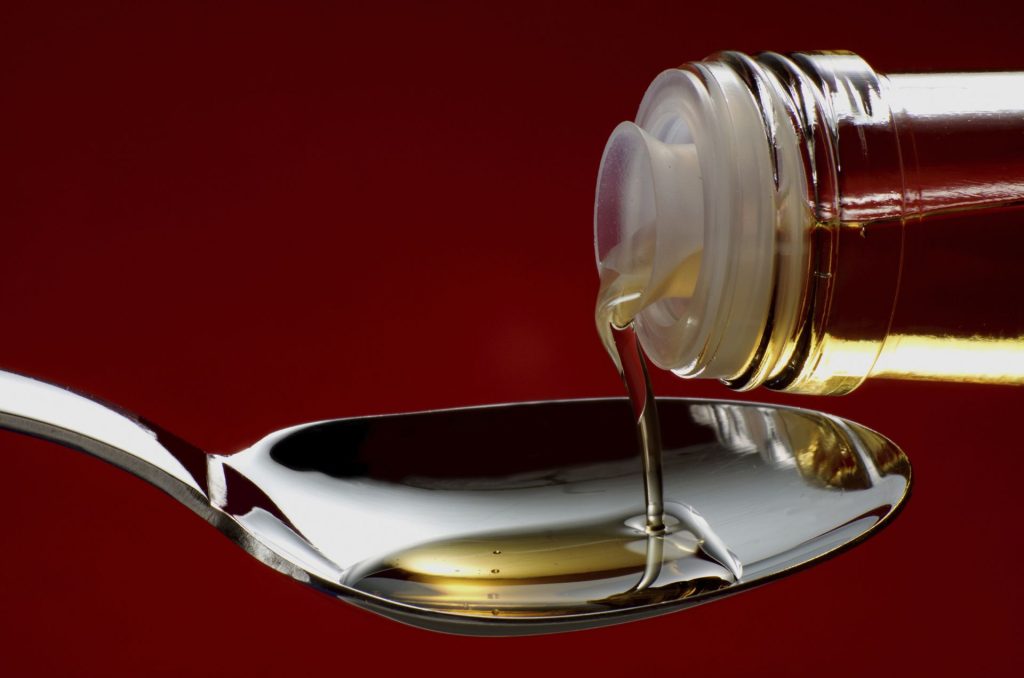

Is “Operation Bikini” coming? If you start paying attention to your diet for this or any other reason, you will realize that the secret to success is to choose products that allow you to follow a balanced diet, providing the necessary nutrients without overdosing them. What you may not know is that, without a doubt, extra virgin olive oil is one of the essential ingredients in the equation. Continue reading and You might be surprised by how many calories a tablespoon of olive oil contains. and the important role it plays in your goal of achieving or maintaining your ideal weight.
How many calories are in a tablespoon of olive oil?
Many people eliminate olive oil from their menus due to concerns about weight gain. They fall into the trap of associating oil, fat and calories. However, simply determining how many calories a tablespoon of olive oil contains is not enough. You also need to understand the type of energy you are providing your body.
So, quantitatively, olive oil contains about 884 calories per 100 grams. That is to say, One tablespoon of olive oil (15 grams) provides approximately 130 calories.. At first glance, this number may seem high, but it must be understood in context. It is worth remembering that according to the parameters of the World Health Organization, the average daily diet of an adult should be between 1,600 and 2,500 calories, depending on gender and physical activity level. Therefore, one tablespoon is only a small portion of your daily total.
Does olive oil make you fat?
On the other hand, on a quality level, in addition to how many calories a tablespoon of olive oil contains, you must also evaluate its ingredients. Remember, this is a food made up of beneficial nutrients, such as monounsaturated fatty acids, especially oleic acid, which makes up about 75.5% of olive oil. That is to say, They are not “empty” calories but have real benefits for the body. That way, while it’s slightly higher in calories than other similar foods like butter, the details are different.
Specifically, butter has a saturated fat content of 70 to 80 percent, while olive oil has a much lower saturated fat content of about 11.5 percent. Why is this important? because Unsaturated fats, such as those found primarily in olive oil, Associated with cardiovascular benefitshelps maintain healthy cholesterol levels and contributes to the normal functioning of the body. Therefore, although the number of calories is related, Nutritional quality is equally or more important When analyzing how many calories are in a tablespoon of olive oil.
Is olive oil good for your diet?
Apart from, Olive oil can be a great helper in weight management diet. Yes, this seems contradictory, but it’s true. How do caloric foods help you stay in shape? brilliantly due to its satiating effect Different studies prove it.
When you use olive oil in moderation, You have a stronger feeling of fullnesswhich means it takes longer for you to feel hungry. This helps avoid unnecessary snacking and snack cravings between meals, which are often the real culprits of many calorie excesses. So if we go back to the question How many calories are in 1 tablespoon of olive oilIf you include this product in a balanced meal, you may feel satisfied for longer than if you eat ultra-processed foods with less healthy fats. In addition to this, olive oil also provides Valuable Micronutrientssuch as vitamin E and antioxidant compounds. This can also affect diet quality in the long term.
How many tablespoons of olive oil should you take daily?
Now, like everything, moderation. It’s useful to know how many calories are in a tablespoon of olive oil, but what’s really important is knowing how many calories you’re consuming on a daily basis. Nutritional advice will usually Daily intake is approx. 40ml of olive oil per daywhich is roughly equivalent to three tablespoons divided between main meals. This amount is enough to get the benefits without exceeding the calories.
A handy trick that many people use is to Divide oil between breakfast, lunch and dinner. For example: one spoonful at breakfast, spread on toast with tomatoes; another in food, used to season salads; the third time is for dinner, cooked and stir-fried vegetables. Therefore, consumption can be controlled without sacrificing flavor or benefits.
finally understand How many calories are in 1 tablespoon of olive oil This is just the first step to remove the fear of it and start using it wisely. Of course, always choose a high-quality olive oil, such as that from the traditional brand Hispaniola. Give it a try and take care of yourself!
PakarPBN
A Private Blog Network (PBN) is a collection of websites that are controlled by a single individual or organization and used primarily to build backlinks to a “money site” in order to influence its ranking in search engines such as Google. The core idea behind a PBN is based on the importance of backlinks in Google’s ranking algorithm. Since Google views backlinks as signals of authority and trust, some website owners attempt to artificially create these signals through a controlled network of sites.
In a typical PBN setup, the owner acquires expired or aged domains that already have existing authority, backlinks, and history. These domains are rebuilt with new content and hosted separately, often using different IP addresses, hosting providers, themes, and ownership details to make them appear unrelated. Within the content published on these sites, links are strategically placed that point to the main website the owner wants to rank higher. By doing this, the owner attempts to pass link equity (also known as “link juice”) from the PBN sites to the target website.
The purpose of a PBN is to give the impression that the target website is naturally earning links from multiple independent sources. If done effectively, this can temporarily improve keyword rankings, increase organic visibility, and drive more traffic from search results.