
The days are getting shorter and nature is moving in slow motion…fall is the ideal season to refocus. keep a diaryyin yoga, nature walks or sound therapy: these 4 simple activities can help us find balance and happiness before winter. demonstration.
When the days get shorter and fatigue sets in faster, creating a few small rituals can help keep your mind and body healthy. Intuitive writing, gentle yoga, mindful walking and even sound vibrations… these easy-to-practice activities provide true relaxation. You can choose a product that will help you refocus and recharge this fall.
this keep a diary: a brief moment of reflection
The calm atmosphere of autumn often triggers introspection. This is an ideal time to sit down, reflect and put your thoughts on paper. Please rest assured, keep a diary (or “French intuitive writing”) doesn’t require any novelist talent; you just need to express your thoughts freely, without filter or judgement.
Practiced every day, this habit gradually becomes a refuge. A way to identify pent-up emotions, release built-up tension, and set intentions and even goals for the months ahead. This therapeutic, almost meditative practice, the results of which are only for you, can easily become a habit.
How to practice?
Right time, right place, no need for more!
- Get yourself a nice notebook and a liquid pen.
- Define the time that works best for you: 5 to 10 minutes in the morning or evening to clear your mind. But why not take a coffee break on the train to work…
- Write down everything that comes to mind: your feelings, your desires, your questions… If you’re short of ideas, ask yourself these questions: “How was my day? What worries or worries do I have right now? What are my plans or desires for this season? What really nourishes me?” Answer them honestly instead of trying to correct them. This will allow you to assess yourself.
Yin Yoga: (Re)Finding Calm
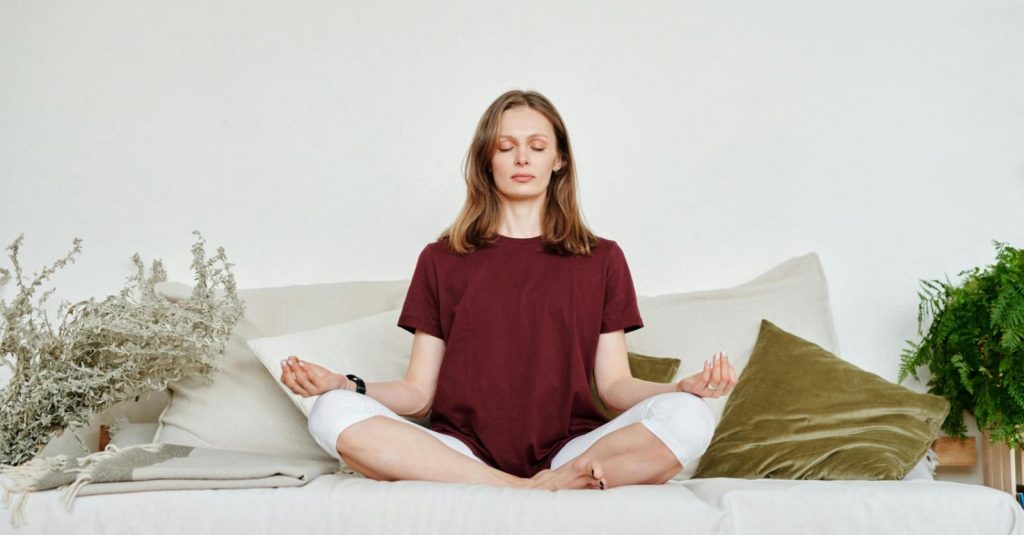
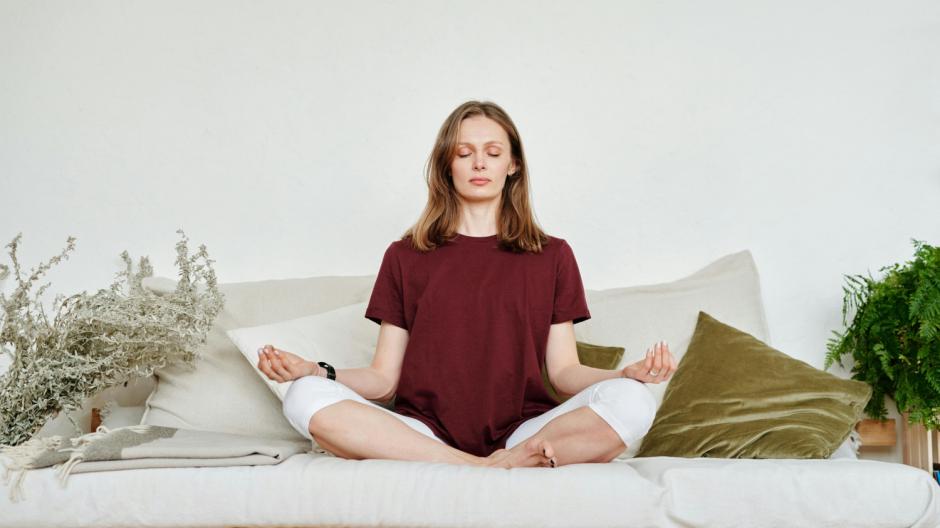
Yin yoga is a slow, passive and deeply regenerative practice that is gentler than dynamic yoga (yang yoga), but also simpler: here, the poses are fixed, usually on the ground, and no muscular effort is required.
The aim is to relax deep tissue (fascia, ligaments) while slowing down the nervous system to achieve a state of meditative calm. Yin yoga can reduce fatigue, anxiety and mental restlessness. It helps release tension (especially in the hips, back and shoulders), absorbs the hectic pace of daily life, and promotes relaxation and restful sleep.
How to practice?
Sit on the floor and surround yourself with accessories (mats, blankets, etc.) to support your body. If you are a beginner, watch videos on YouTube to learn the correct movements and assume the pose of your choice without straining and with your eyes closed. Example:
- Butterfly Pose: Sit with your feet together, let your knees fall outward, then gently lean forward and relax your upper body.
- Dragon Pose: Get into a plank position with your right foot outside your right hand. Let your left knee rest on the floor and slide your left foot back to stretch the front of your left thigh.
- Sphinx: Lie on your stomach, press your forearms and lift your chest. Keep your elbows under your shoulders and your forearms parallel to the floor.
Breathe deeply and hold each pose for 2 to 5 minutes. Finally relax your back completely (Savasana) for 5 minutes.
Walking naturally: returning to yourself
We keep repeating: nature soothes the nervous system, reduces stress and improves mood. Take a walk in a forest or park, feel the snap of branches under your feet, listen to the rustling of leaves, breathe in the smell of damp earth, absorb the silence around you…all these little things will reactivate your senses and help organize your inner self.
How to practice?
Here, it’s not a matter of aiming for performance, but of allowing yourself to walk consciously, during which you take the time to feel, breathe, observe without distraction.
- Choose a route in your favorite natural area (forest, park, countryside, etc.) and go for a walk alone at least once a week. Don’t forget to set your phone to airplane mode.
- Walk slowly and quietly, paying attention to each step, your breathing, and how you feel in the moment. Engage your senses by breathing deeply, touching the bark, listening to the sounds around you, appreciating the colors around you…let your mind wander.
- If you want, you can also ask yourself an inner question before embarking on your journey and let the answers emerge (or not!).
Sound therapy: relieves tension
This sensory, nonverbal approach uses vibrating instruments such as Tibetan (or singing) bowls, crystal bowls, gongs, and other chimes to immerse us in a state of deep relaxation.
It invites you to disconnect, which is an ideal remedy when fatigue, mental irritability and changes in weather are negatively affecting our moods. Sound therapy creates cell-penetrating vibrations that act as a sound massage: certain frequencies can calm, while others can release hidden tensions. Results: Muscles relax, the nervous system self-regulates, the mind calms, and our energy centers are aligned. Whole body vibration: unique “floating” feeling!
How to practice?
Sit comfortably on your bed, couch, cushion, close your eyes, and start a free sound therapy recording (available on YouTube, Spotify, etc.) for 10-15 minutes.
- Close your eyes, take a deep breath, and let the sound flow through your body.
- Observe the sensations that arise (heat, cold, released tension, rising emotions, images, colors, etc.) without analyzing them.
- After you finish, stay in the same position for a moment of silence to process what just happened.
If you can, treat yourself to in-person therapy: a group sound bath (usually in a yoga studio or wellness center) or an individual sound therapy session, sometimes combined with Reiki or energy healing.
You may also like:
Recipes, fashion, decoration, sex, astronomy: follow our news on Facebook and Instagram. Exclude: Our latest articles emailed.
Best Recipe
Game Center
Game News
Review Film
Berita Terkini
Berita Terkini
Berita Terkini
review anime