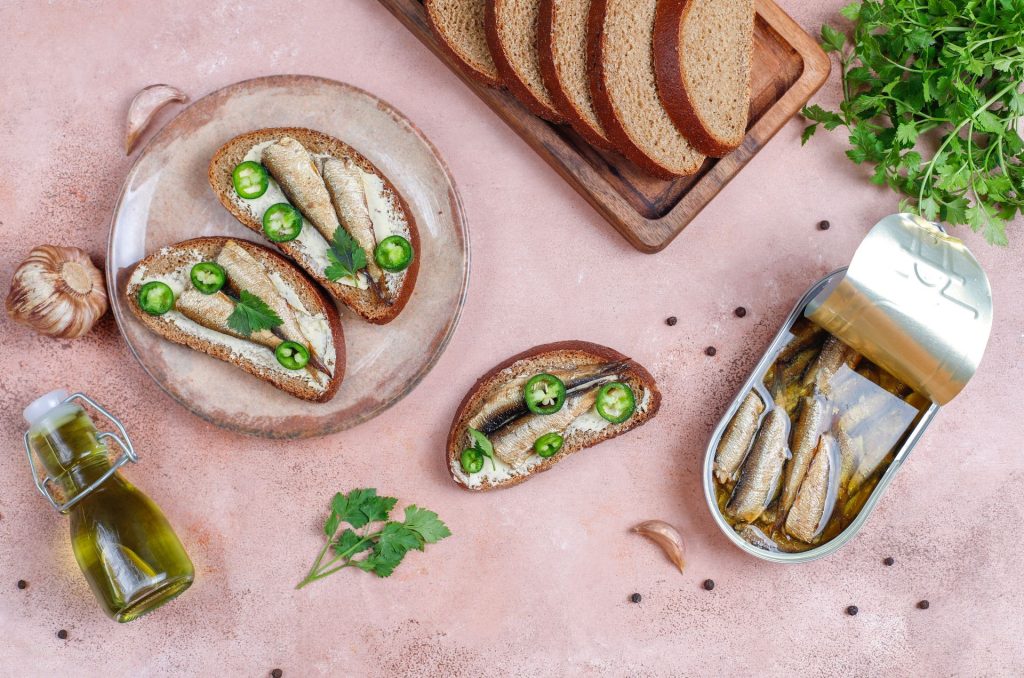

They are delicious, economical, highly durable, and have a variety of benefits for the body. We’re talking about olive oil sardines and other canned blue fish. Oddly enough, even though they’re common in most pantries, not many people think about preparing them at home. Do you dare to take this step? We tell you everything: properties, formulas, tips and the most suitable oils.
Is it okay to eat sardines with olive oil? characteristic
You may not have a particular image of sardines in olive oil and the like because you associate these products with emergency or cheap non-perishable food. However, the nutritional reality is very different. Sardines, small sardines, mackerelmelva…is one of the most complete and beneficial fish species in existence When they are preserved in extra virgin olive oil, their properties are enhanced in extraordinary ways.
As we all know, blue fish are Special Source of Omega-3 Fatty Acidsespecially EPA and DHA, are essential for cardiovascular health and brain function. According to research, regular consumption of such fish is associated with better coronary artery health. In fact, eating oily fish just 1 to 3 times a month can reduce the risk of cardiovascular disease by 21%, and eating it more than 5 times a week can reduce the risk of cardiovascular disease by up to 34%.
In addition, sardines in olive oil are rich in Vitamin DAccording to the latest statistics, the nutritional level of the majority of the Spanish population is insufficient. they also contribute football -Especially if you are eating soft spines, which are perfectly edible after being preserved-, Vitamin B12, selenium y Protein of high biological value. Come on, a serving of sardines in olive oil is pretty much a natural multivitamin. There’s an added advantage: They are small fish and accumulate less mercury than other species, such as tuna.
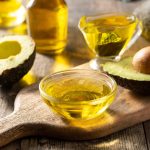
Beyond that, remember that olive oil is more than just a means of preservation, it’s part of the food.. When sardines are marinated in high-quality extra virgin olive oil, beneficial compounds are transferred. Between fish and oil. On the one hand, the polyphenols (powerful antioxidants) in the oil partially pass into the fish’s body, naturally extending its lifespan. On the other hand, the fatty acids of fish mix with the fatty acids of oil, creating a very interesting nutritional synergy. Premium Extra Virgin Olive Oil Also Available Vitamin E, squalene and various natural antioxidants Protect cells from oxidative stress. What a great cocktail!
How to cook sardines in olive oil?
Preparing homemade sardines in olive oil is easier than it looks, but requires attention to detail. First and most important: quality of raw materials That’s all. seek Very fresh sardinesif possible, buy direct from the fishmonger and in season. In Spain, summer (the months without R, according to popular opinion) is when sardines are at their richest in fat and flavor. As for oil, you know, A good extra virgin Here’s what we recommend.
Ingredients of 500ml bottle:
- 500 g fresh, clean sardines
- 250 g extra virgin olive oil (enough to cover)
- 1 teaspoon coarse sea salt
- 2-3 grains of black pepper
- 1 bay leaf
- Optional: a clove of garlic, a few sprigs of thyme, a cube of cayenne pepper, or a pinch of smoked paprika (together or separately) to vary the aromatic character
Sardines in Olive Oil Recipe
- Clean the sardines. If your fishmonger has not already done so, remove the head, guts and scales. You can keep the center spine or remove it; they will be juicier if you leave them whole and the spine will soften as they cook. Rinse well under the tap and dry with kitchen paper.
- room and rest. Place the sardines on a plate, sprinkle with coarse salt and refrigerate for at least 1 hour. This step is crucial: the salt removes excess moisture and enhances the flavor of the final jam.
- Pre-cooked. Preheat the oven to 180°C. Place the sardines on a tray, sprinkle them with a little extra virgin olive oil and bake for 15-20 minutes, until cooked through but not dry. You can also steam it according to your preference.
- Sterilize jars. While the sardines are cooking, boil the glass jar for 10 minutes to kill any bacteria. Let them dry face down on a clean cloth. Remember, they must be airtight.
- Fill it out carefully. Place the sardines in a clean jar, add the seasonings of choice (bay leaf, pepper, garlic…) and cover completely with extra virgin olive oil. It is important not to allow the fillets to remain outside of the oil. Close jar tightly.
- The last Tom Marie. Place the closed jars in a large pot with water covering the necks of the jars. Bring to a boil and keep on medium heat for 30 minutes. This step ensures safe preservation of the product. Remove the jars, allow to cool to room temperature, and check that the lids have been properly vacuumed (the lids should be slightly indented and not come loose when pressed).
- Rest and taste. Store jars in a cool, dry, dark place for at least 2-3 weeks before opening. During that time, the olive oil soaks the fish and the flavor settles, resulting in a much better result than the dull day. Once opened, please consume within 3-4 days and store in the refrigerator.
Once you master the olive oil sardine technique, Try mackerel, anchovies or bonito. The preparation process is very similar and the results are amazing whether served on its own, on toast or in a salad. Of course, don’t skimp on EVOO.
Los Hispaniola extra virgin olive oil They are perfect for your homemade preserves: Its fruity and balanced flavor pairs perfectly with blue fish without overshadowing it, and its richness in polyphenols and natural antioxidants guarantees optimal preservation. Because good sardines deserve the same grade of olive oil. Choose yours!
PakarPBN
A Private Blog Network (PBN) is a collection of websites that are controlled by a single individual or organization and used primarily to build backlinks to a “money site” in order to influence its ranking in search engines such as Google. The core idea behind a PBN is based on the importance of backlinks in Google’s ranking algorithm. Since Google views backlinks as signals of authority and trust, some website owners attempt to artificially create these signals through a controlled network of sites.
In a typical PBN setup, the owner acquires expired or aged domains that already have existing authority, backlinks, and history. These domains are rebuilt with new content and hosted separately, often using different IP addresses, hosting providers, themes, and ownership details to make them appear unrelated. Within the content published on these sites, links are strategically placed that point to the main website the owner wants to rank higher. By doing this, the owner attempts to pass link equity (also known as “link juice”) from the PBN sites to the target website.
The purpose of a PBN is to give the impression that the target website is naturally earning links from multiple independent sources. If done effectively, this can temporarily improve keyword rankings, increase organic visibility, and drive more traffic from search results.