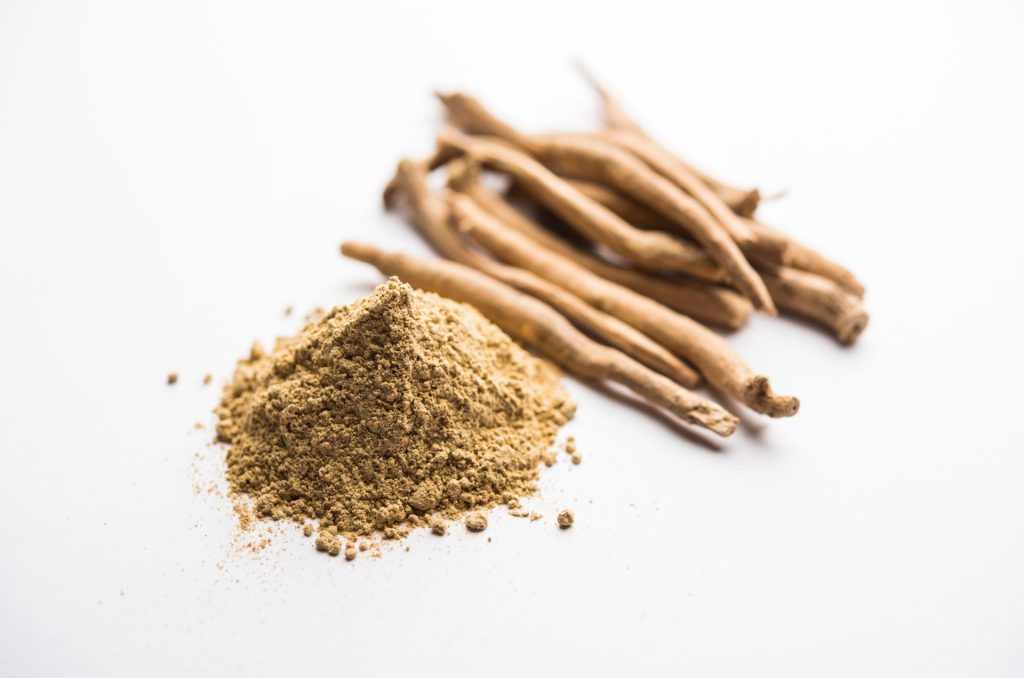

Ginger, turmeric, maca…and now ashwagandha! Although this root has been used in Ayurvedic medicine for centuries, it is becoming increasingly famous around the world today. You can find it in powders, capsules, infusions, drops and even delicious Instagram smoothies. But is this a passing fad or is there real science behind its success? Learn why ashwagandha is becoming increasingly popular among people super food 21st centuryYes, don’t forget to read the fine print.
What is Ashwagandha?
Ashwagandha, a Sanskrit term meaning “horse flavor”, is a Medicinal plant whose scientific name is Withania somnifera. In fact, it is also called ashwagandha or auroval. It is native to parts of Asia, the Middle East and Africa and has been a core part of traditional Indian medicine for over 3,000 years.
it is a Shrubs with overall medicinal value. That is, the leaves, fruits, flowers and seeds are used in natural medicines. despite this, Its roots stand out for their bioactive compounds. This gives it many pharmacological implications. Did you know it contains over fifty different ingredients, from amino acids to alkaloids or salts?
What is Ashwagandha used for? 7 properties
So in recent years, ashwagandha has jumped from herbalists to the lab, with numerous studies examining its effects on the nervous, hormonal and immune systems. What is your conclusion? What are the uses of Ashwagandha?
- Reduce stress and anxiety. One of the most researched properties of Ashwagandha is its ability to reduce cortisol (the stress hormone). The trial observed that people who were chronically stressed experienced significant reductions in cortisol levels and improved feelings of well-being after taking ashwagandha extract for six to eight weeks.
- Improved sleep. His Latin surname is no coincidence Hypnosis. Ashwagandha has been linked to better sleep quality, especially in people with mild insomnia. Specifically, it enhances sleep latency, deep rest, and a restored feeling upon waking.
- Physical performance and muscle mass. Research shows that while ashwagandha’s sedative properties may mislead you, it’s also an ally for athletes. Improvements in strength and muscle recovery are also attributed to it.
- Cognitive function and memory. The same goes for brain function. Consuming this plant can enhance concentration, processing speed, and memory. This is because ashwagandha works by reducing oxidative stress and neuronal inflammation.
- Hormone balance and reproductive health. Studies have also linked ashwagandha to improvements in hormonal and endocrine system parameters. So, on the one hand, it can improve testosterone and semen quality in men, especially those with stress-related imbalances. On the other hand, it is suitable for menopausal women to combat their symptoms.
- Supports the immune system. Among other things, ashwagandha can modulate immune responses, thanks to substances like withanolides. This is not “uncontrolled stimulation,” but rather aids in a more effective response through better inflammatory markers and stronger cellular defenses, especially in situations of chronic stress.
- Blood sugar regulation and metabolic health. A less popular but related benefit is that it helps regulate blood sugar levels in people with mild resistance. There is no treatment yet itselfbut a promising research direction.
The key is to understand that this natural substance is not a stimulant or a pure depressant; Adaptogens. what does that mean? That Help the body restore balance When stress, fatigue, or hormonal imbalances take hold in your body… you’ll feel so sorry. No wonder its name sounds like a curse, right?
What are the side effects of Ashwagandha?
Although ashwagandha It is generally well tolerated but is not harmless. Natural doesn’t always mean 100% safe, so temper your enthusiasm here. What side effects can you feel after consuming it?
- Digestive discomfort: Nausea, diarrhea, or abdominal pain may occur, especially at high doses or in sensitive individuals.
- Excessive sleepiness. If you already take sedative medications or have a tendency to fall asleep easily, ashwagandha can enhance this effect. It may even lead to apathy, experts warn.
- Hormonal changes. Ashwagandha may affect thyroid hormones.
- liver damage. According to scientific literature, if supplements are of poor quality, consuming them can worsen existing liver problems.
- Interactions with drugs. Finally, this root can interact with anti-anxiety medications, antidepressants, immunosuppressants, or thyroid medications.
Who should not take ashwagandha?
Therefore, not everyone should happily start consuming ashwagandha. For some conditions, use is not recommended, or at least requires prior consultation with a doctor. When should you give up or seek advice from an expert?
- If the following situation occurs Pregnant or lactation.
- if you suffer autoimmune diseasebecause ashwagandha stimulates the immune system.
- if you suffer Thyroid diseaseespecially hyperthyroidism, or any liver pathology.
- If you are taking any type of drug Take it regularly, especially psychoactive or sedative medications.
How to take Ashwagandha?
Have you done your research? Would you recommend ashwagandha? Then, it’s time to incorporate it into your daily routine. In this sense, this natural “medicine” is various formatsand not all of them are the same or behave the same.
- Capsules or tablets. This is the most common and comfortable way. They typically contain standardized extracts with dosages ranging from 300 to 600 mg per day. Ideally, you should start with the lowest dose. And always choose quality products. When it comes to health, there is no effective savings.
- Root powder. More traditional and less practical. It has an earthy, tangy flavor that’s assuming you won’t fall in love with it the first time. But if you prefer authenticity, this is the format for you. Additionally, you can mix it with plant-based milk or yogurt. In fact, it is recommended to consume it with fatty foods as they aid its absorption.
- infusion. It is a less concentrated, softer option. It can be an option for those looking for light effects and a relaxing ritual.
It is ideal to consume ashwagandha on an empty stomachbut can be taken with food to avoid digestive discomfort. The time of day depends on your goals: In the morning if you’re looking to improve performance; in the evening if you want to relax. The important thing is: it doesn’t work immediately. The effect will be obvious after a few weeks of continued use. Of course, the duration should be between two and three months, with regular breaks.
As you can see, ashwagandha can be an interesting ally of happiness, as long as it is consumed wisely, combined with information and judgment. If you are interested in continuing to learn about natural ingredients and healthy eating, visit the La Española blog. ¡There are many more superfoods yet to be discovered!
PakarPBN
A Private Blog Network (PBN) is a collection of websites that are controlled by a single individual or organization and used primarily to build backlinks to a “money site” in order to influence its ranking in search engines such as Google. The core idea behind a PBN is based on the importance of backlinks in Google’s ranking algorithm. Since Google views backlinks as signals of authority and trust, some website owners attempt to artificially create these signals through a controlled network of sites.
In a typical PBN setup, the owner acquires expired or aged domains that already have existing authority, backlinks, and history. These domains are rebuilt with new content and hosted separately, often using different IP addresses, hosting providers, themes, and ownership details to make them appear unrelated. Within the content published on these sites, links are strategically placed that point to the main website the owner wants to rank higher. By doing this, the owner attempts to pass link equity (also known as “link juice”) from the PBN sites to the target website.
The purpose of a PBN is to give the impression that the target website is naturally earning links from multiple independent sources. If done effectively, this can temporarily improve keyword rankings, increase organic visibility, and drive more traffic from search results.

